cool down – cooling cities with wind and geometry
developed 2022
in collaboration with Emilie Karaskova
5th semester – Angewandte Industrial Design
supervised by Elisabeth Wildling und Peter Mahlknecht
As global temperatures continue to rise, European cities are facing growing challenges in managing extreme heat waves. Many urban areas have experienced record-breaking temperatures in recent years, making passive, scalable cooling strategies a priority for architects and city planners.
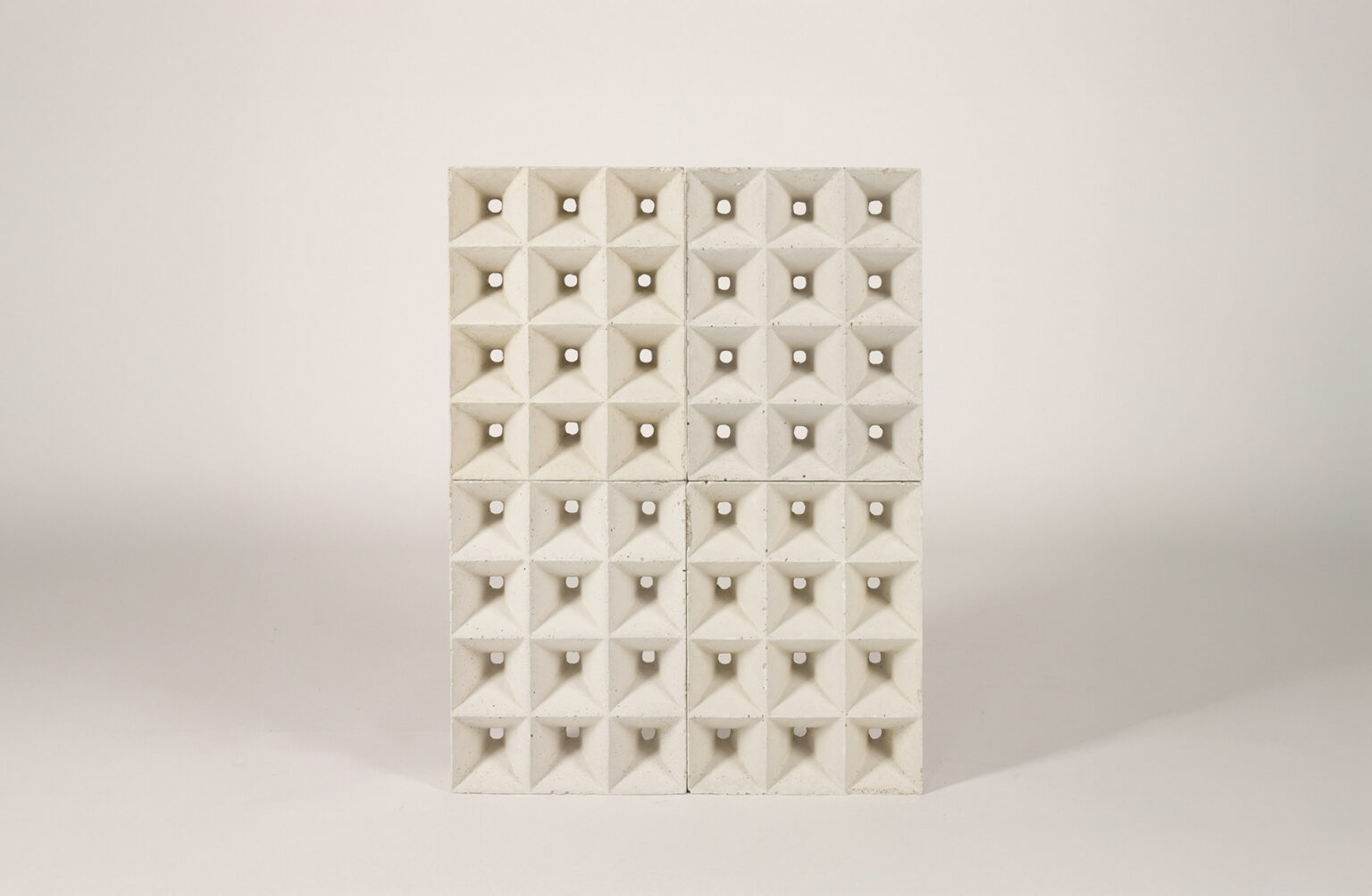
cool down proposes a façade system that passively cools air through a combination of geometry, pressure dynamics, and natural wind flow. The design is based on the Joule-Thomson effect—a principle where compressed air cools rapidly when expanding into a lower-pressure environment. Typically used in refrigerators and cooling towers, this effect is reinterpreted here as a zero-energy urban cooling method powered solely by the wind.
The system consists of modular elements that compress and expand air as it passes through, guided by aerodynamic shaping. As wind moves through the structure, temperature drops naturally—without the need for electricity or mechanical systems.
Designed to be mounted in front of existing façades, this “second skin” acts as both shading and thermal mass while also actively cooling the air that passes through. Wind-exposed locations are especially effective, making this an ideal system for dense urban environments seeking low-tech climate adaptation.
cool down points toward a future where architecture doesn’t just protect against heat but actively collaborates with natural forces to counter it.
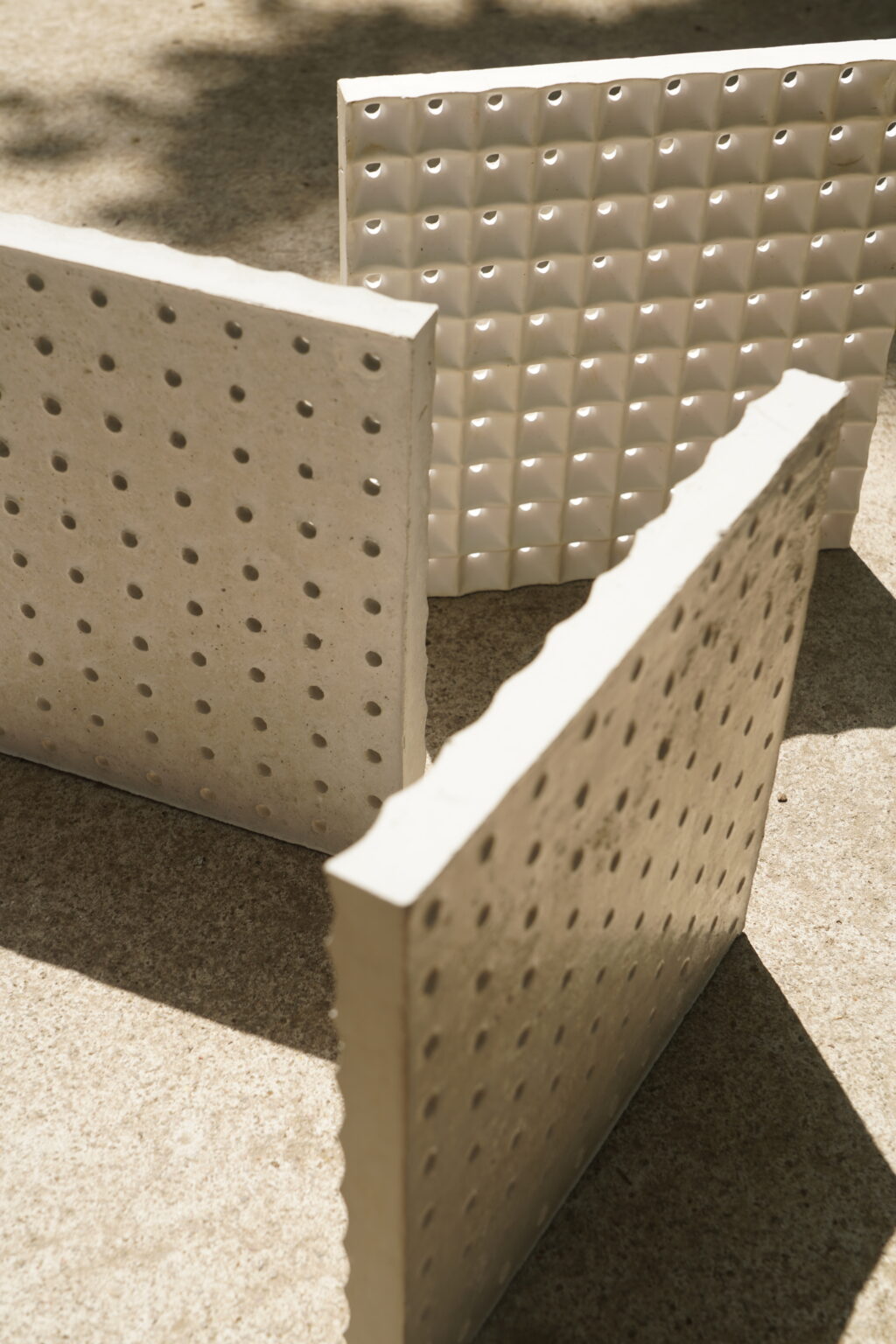
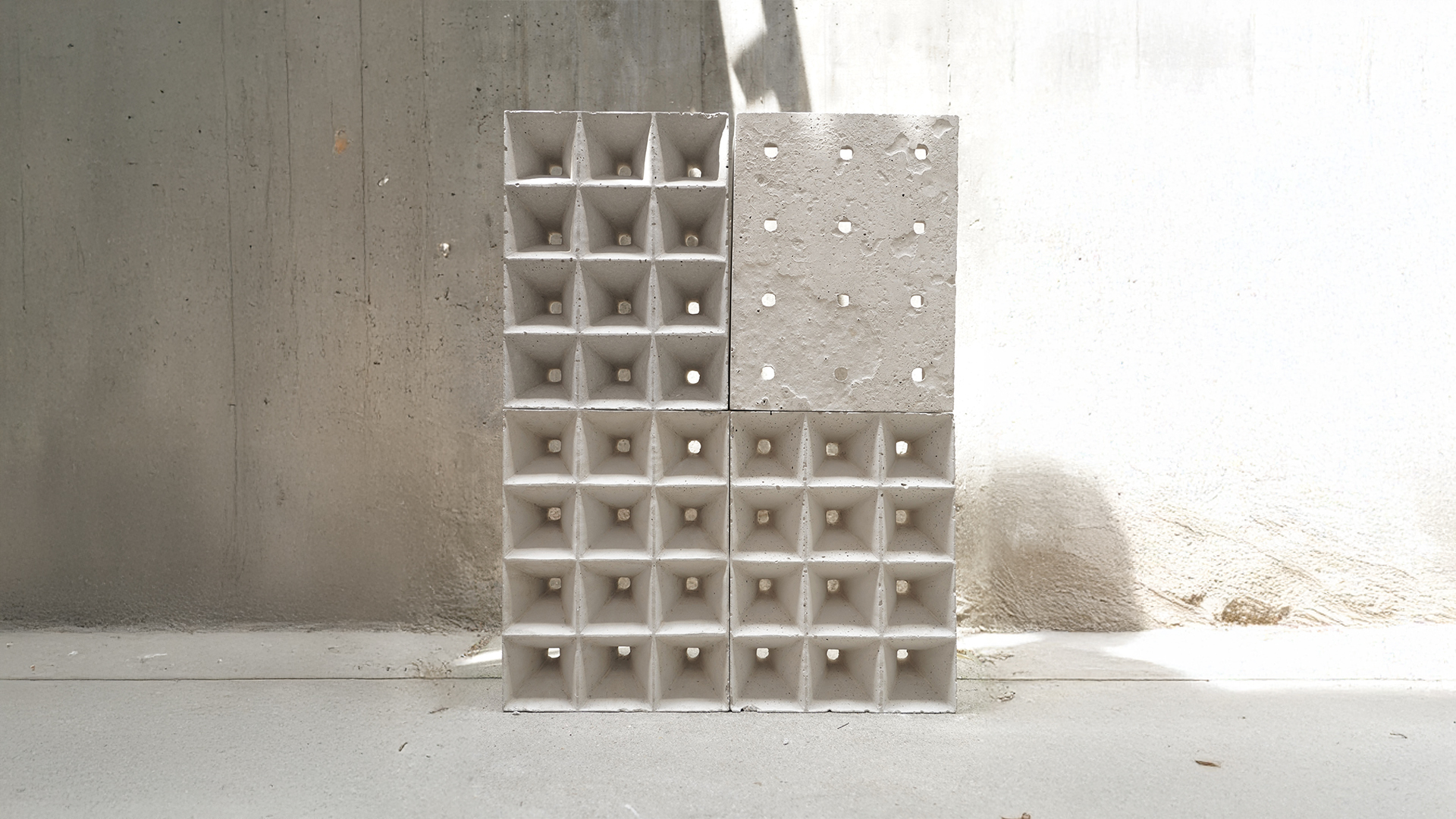
making of